
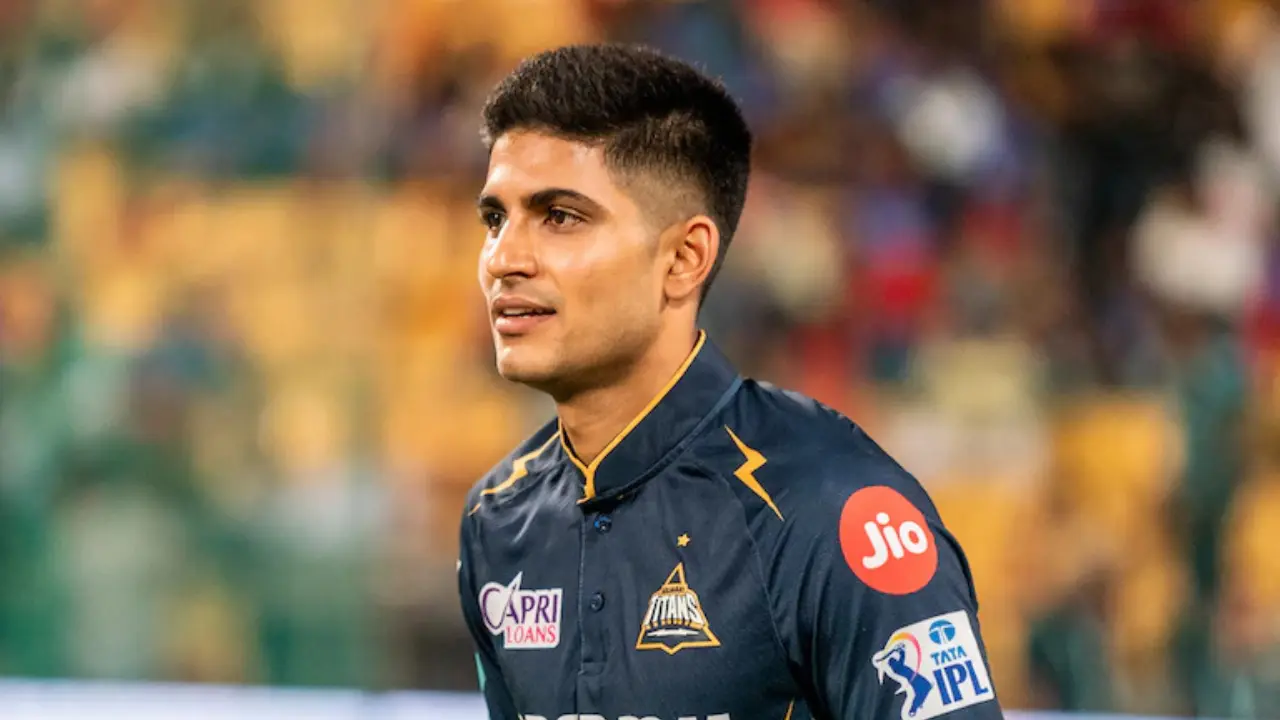
There are phases in a player’s career where nothing looks clearly wrong, yet something begins to feel slightly different when you watch closely. That’s the space Shubman Gill seems to be in right now. He is still composed, still technically strong and still capable of building innings with ease, but the rhythm of his game feels a little more measured than before.
His Tempo
The biggest thing people are picking up on is his tempo while batting. Gill has always been a player who values control and timing, but recently that control seems to come with more patience than expected in a fast format like T20.
What stands out right now:
- He takes more time to settle early in the innings
- His starts are steady rather than aggressive
- Acceleration often comes later instead of immediately
None of this is technically wrong, but in a format where early intent is highly valued, it becomes noticeable.
Higher Expectations
A major reason this is being discussed is because expectations around him have changed significantly. Earlier, his approach would have been seen as maturity from a young player building his game.
Now, he is expected to:
- Control the innings
- Dominate bowlers when needed
- Deliver match-winning performances consistently
That shift in expectation changes how every innings is viewed. Even a good performance can feel “incomplete” if it doesn’t match the impact people expect.
Captaincy Load
Another layer that cannot be ignored is captaincy. Batting is no longer his only responsibility, and that naturally affects how a player thinks during a match.
When leading a team, there is constant mental engagement:
- Planning field placements
- Managing bowlers in pressure overs
- Reading match situations continuously
This doesn’t stop when he comes in to bat. It can influence decision-making, sometimes leading to a more cautious or controlled approach early on.
Finding Balance
Gill seems to be working through a balance that many players struggle with in T20 cricket. His natural style is built on elegance and control, but the format often demands urgency and aggression.
He is balancing between:
- Playing as an anchor vs playing aggressively
- Maintaining stability vs creating impact
- Following his natural game vs adapting to team needs
This balancing act is not always smooth and that’s what people are noticing.
Mixed Reactions
The reaction to his current phase is not one-sided, which is why the conversation keeps growing. Different people are seeing the same performances in different ways.
Some believe:
- His calm approach brings stability
- He avoids unnecessary risks
- His innings have structure and control
Others feel:
- He should attack earlier
- His strike rate could be higher
- He needs to dominate more consistently
This divide keeps his performances under constant discussion.
Small Moments
What makes this trend interesting is that it’s not built on major failures but on small, repeated moments. These are not match-losing mistakes, but patterns that appear across games.
For example:
- A strong start that slows down in the middle overs
- A delayed push for acceleration
- Situations where more intent is expected
Individually, these moments don’t define anything. But together, they create a perception.
In Transition
This doesn’t look like a decline. It feels more like a transition phase. Gill is moving into a space where he is expected to do more than just bat well.
He is evolving from:
- A talented batter
- To a consistent performer
- To a leader carrying responsibility
Transitions like this often come with phases where the game looks slightly different before it settles.
One Big Game
The nature of the IPL is such that everything can change in a single match. One strong innings can completely shift how a player is being discussed.
What could change the narrative:
- A fast-paced, dominant innings
- Early aggression combined with control
- A match-winning performance under pressure
That’s why, despite all the discussions, people are still watching closely.
Why It Matters
At this stage of his career, it’s not just about how many runs he scores. It’s about how those runs are built and what they represent.
Right now, people are watching:
- His decision-making under pressure
- His ability to shift gears
- His role as both a batter and a leader
That’s what makes even small changes feel important.
Also Read: Ishan Kishan: A Rising Star in Indian Cricket
Still Evolving
Nothing about this phase feels final. His game is still adjusting, his role is still expanding, and his approach is still evolving.
That’s what keeps the attention on him.
People are not just watching his performances. They are watching his development as a complete player. And right now, that journey feels open, ongoing, and worth following.
